
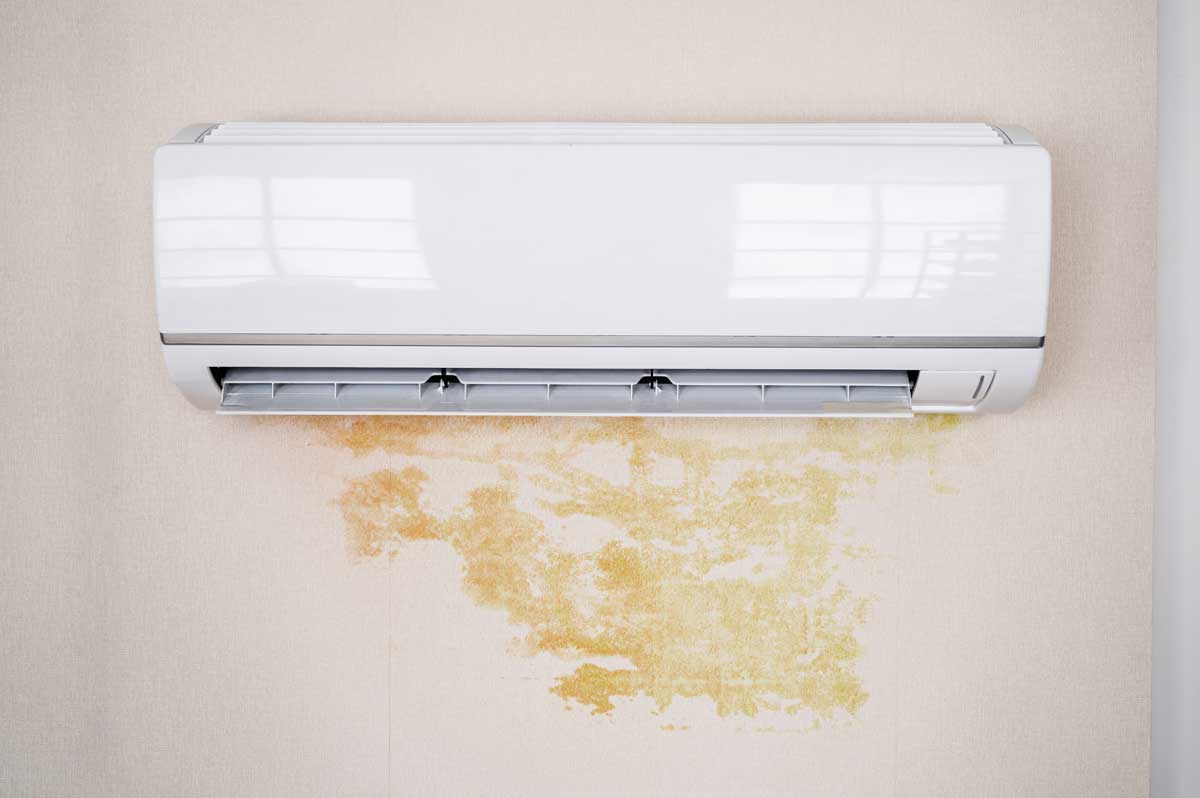
That stale, musty odor drifting out of your vents every time the air kicks on is one of those things you notice and then try to ignore. But it usually does not go away on its own, and in many cases it points directly to mold growth inside your duct system. Air duct mold removal is one of the most common reasons homeowners and property managers call us, and the good news is that the problem is fixable once you know what you are dealing with.
What That Smell Is Actually Telling You
Mold thrives in dark, humid environments, and your ductwork checks both of those boxes. Moisture gets into the system through condensation, a poorly sealed return, or a humid summer like the ones we see every July across Harrisburg, Lancaster, and the surrounding areas. Once mold takes hold, the air handler pushes spores through every room in the house or building every time the system runs.
A musty or earthy smell is the most common early sign, but it is not the only one. You might also notice:
- Visible dark spots or discoloration around vent covers or registers
- Allergy-like symptoms that seem worse indoors than outside
- A smell that is stronger near certain vents than others
- Excess dust settling on surfaces shortly after cleaning them
None of these signs on their own confirm mold with certainty, but together they are worth taking seriously.
How to Check Your Vents Before You Call Anyone
You do not need special equipment to do a basic visual check. Remove a few vent covers and shine a flashlight inside. Look for dark, fuzzy patches on the duct walls, especially near the opening where condensation tends to collect. If you see anything that looks like growth or heavy buildup, that is a clear signal to bring in a professional.
We also recommend sniffing at individual vents with the system running. If the smell is much stronger at one or two registers, that can help narrow down where contamination is concentrated. Homeowners in Mechanicsburg and Elizabethtown, PA often tell us they had a hunch something was off for months before they called. Trusting that instinct sooner saves time and usually makes remediation easier.
What Professional Air Duct Mold Removal Actually Looks Like
When we arrive, the first step is a thorough inspection. We use robotic duct inspection tools that let us see deep inside the system, and we document everything with before and after photos so you can see exactly what was there and exactly what we removed. There is no guesswork and no vague promises.
The cleaning itself uses industrial-strength equipment that creates negative pressure inside the duct system, pulling contaminants out rather than pushing them further in. For mold, we follow that up with an application of our botanical sanitizer, a safe, thyme-based product that is effective without harsh chemical residue. In cases where mold has significantly degraded the duct lining, we also offer air duct encapsulation as a longer-term protective step.
All of our work meets the 2021 NADCA Standard, and our team includes NADCA Certified Ventilation Inspectors and Air Systems Cleaning Specialists. We are licensed and insured in Pennsylvania (HIC# PA130152), which matters when you are inviting someone into your home or commercial property to handle a health-related issue.
After the Cleaning: Keeping Mold From Coming Back
Remediation handles what is already there. Prevention handles what comes next. A few practical habits go a long way. Keep indoor humidity below 50 percent if you can, replace air filters on schedule, and have your dryer vent cleaned regularly since a clogged dryer vent contributes to excess moisture and heat in the home. We service homes and businesses throughout Lancaster County, Mount Joy, PA, and the broader South Central Pennsylvania region, and we are available seven days a week, 8 a.m. to 8 p.m., so scheduling around your life is usually straightforward.
If that musty smell has been bothering you and you are not sure what to do next, please give us a call or drop us an email. We are happy to talk through what you are noticing and help you figure out whether a professional inspection makes sense for your situation.